


Miami Beach, Florida
City of Miami Beach
R & O Studio LLC
2017
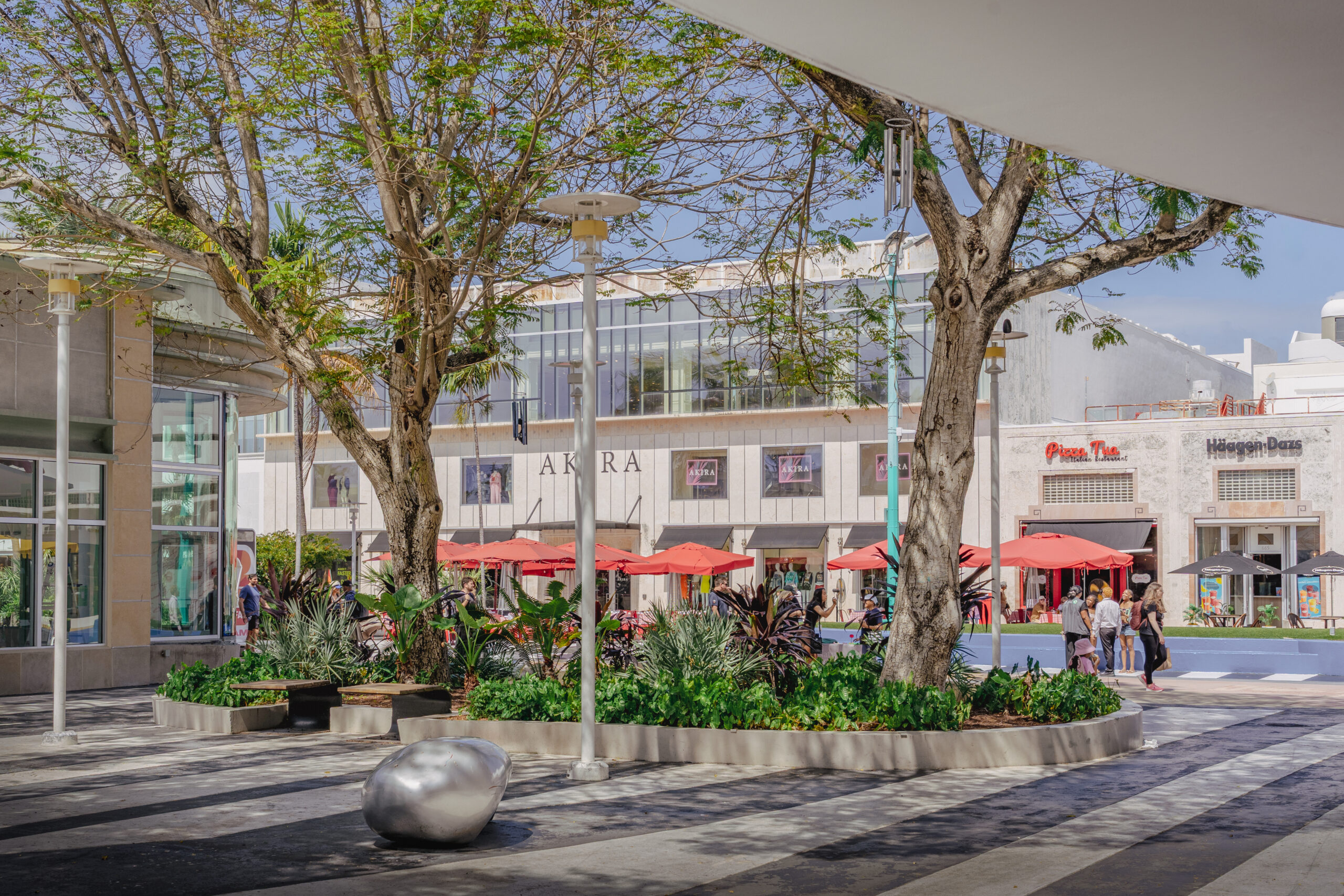
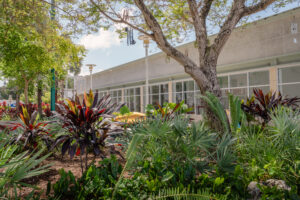
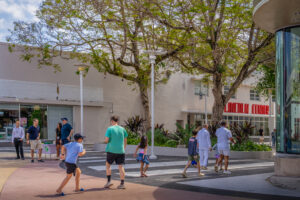
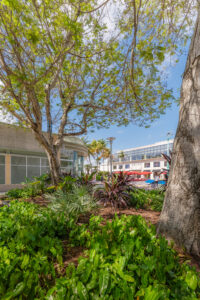
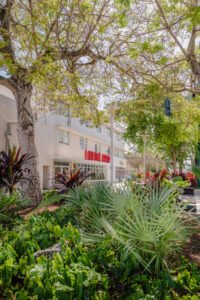
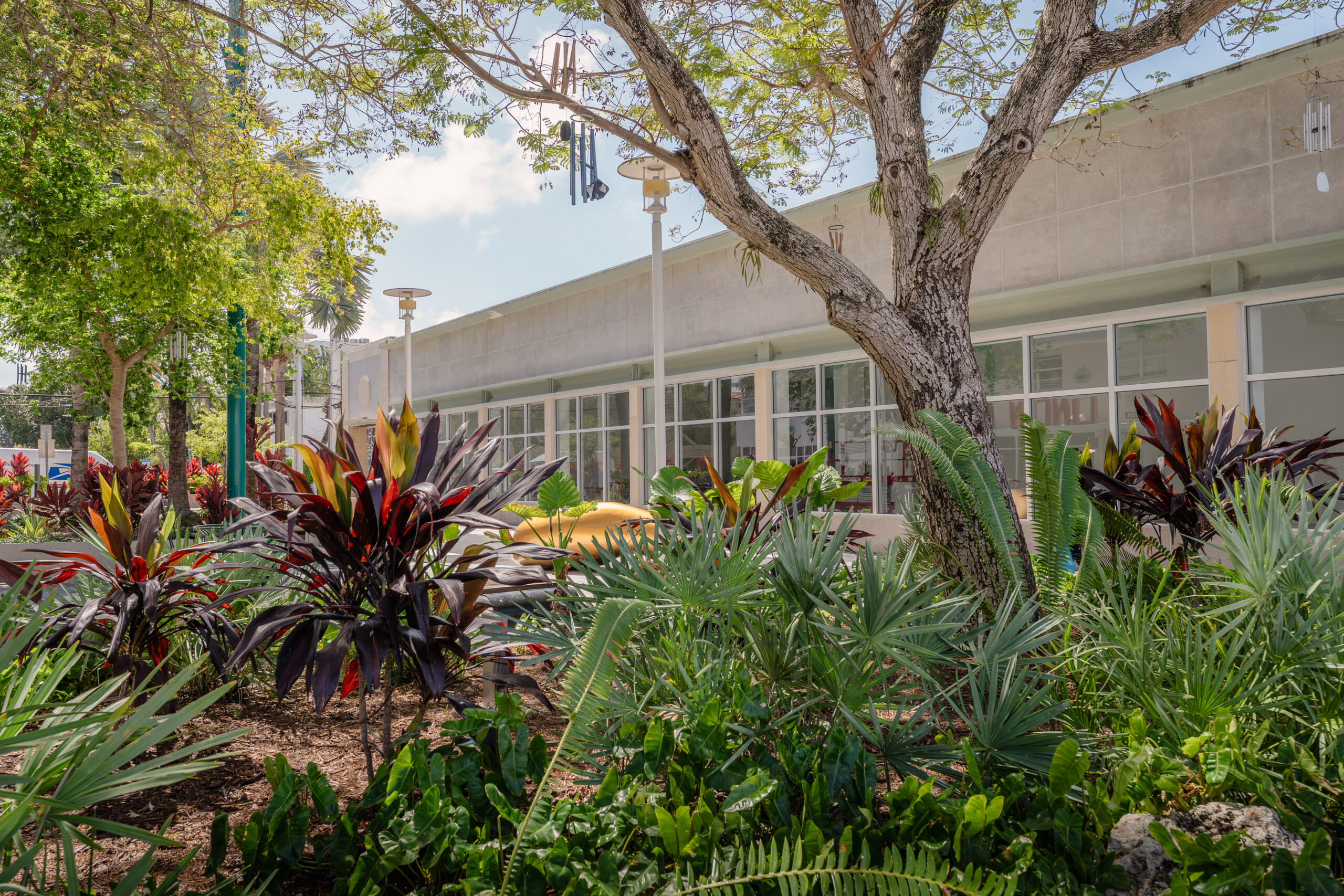
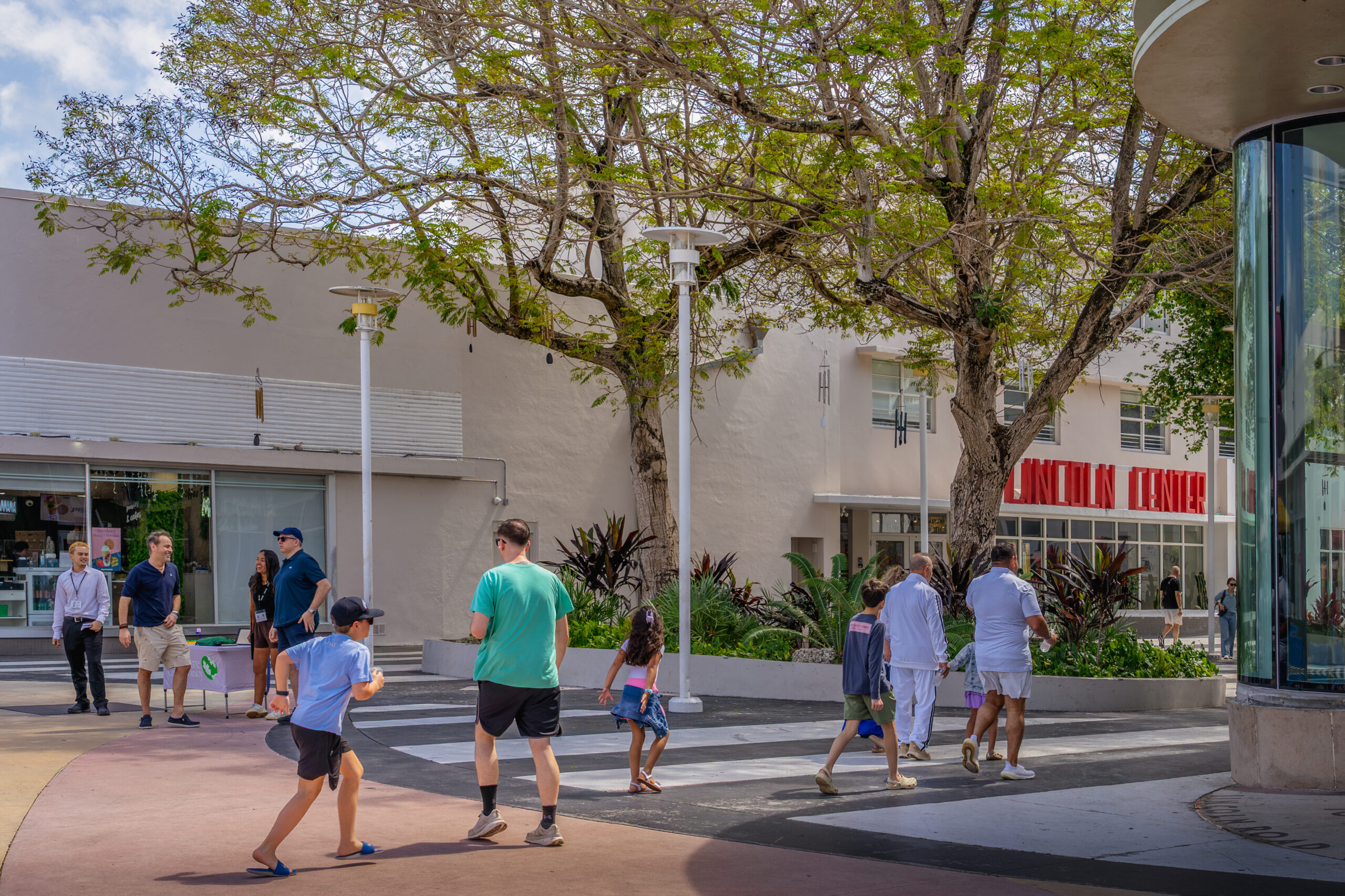
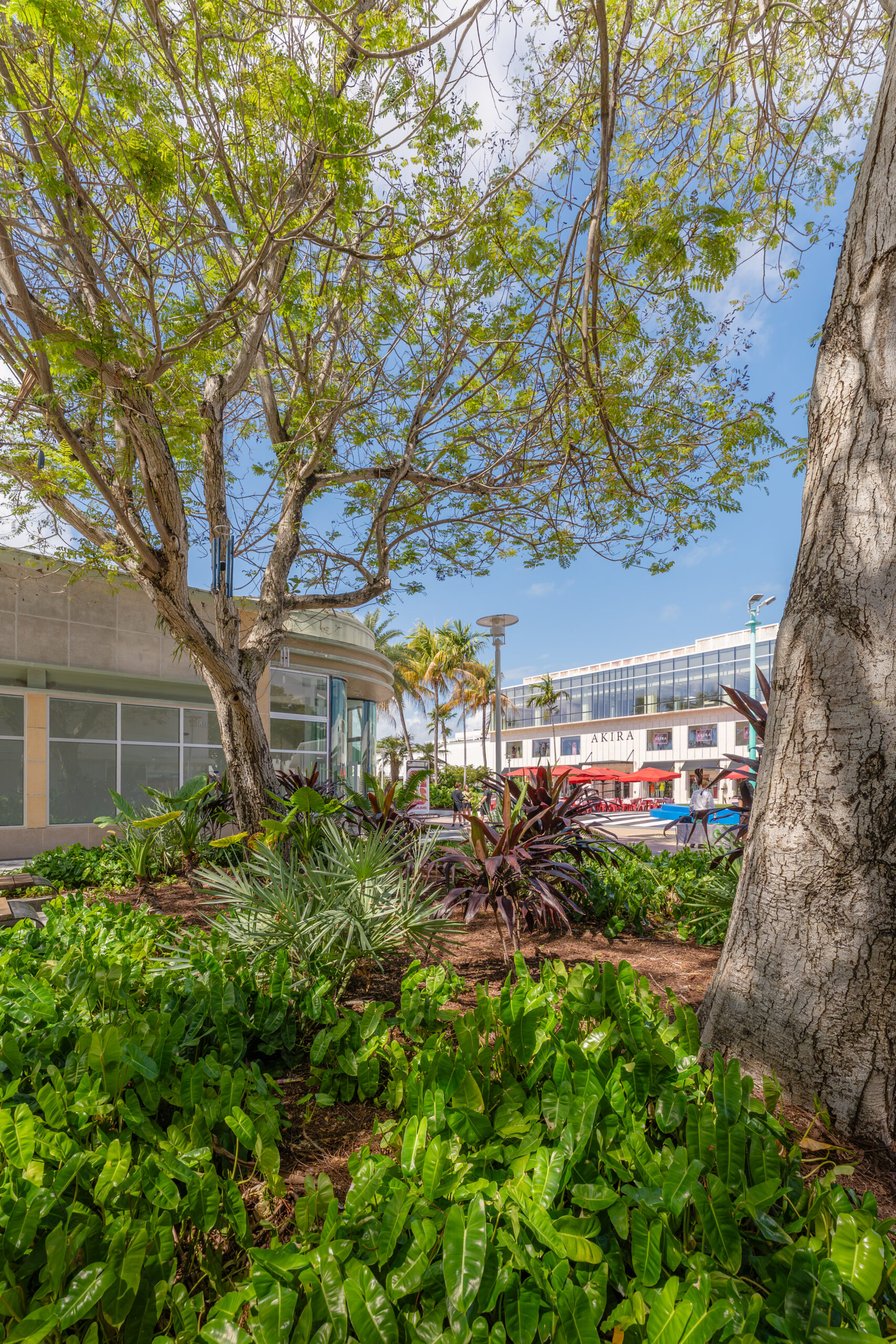
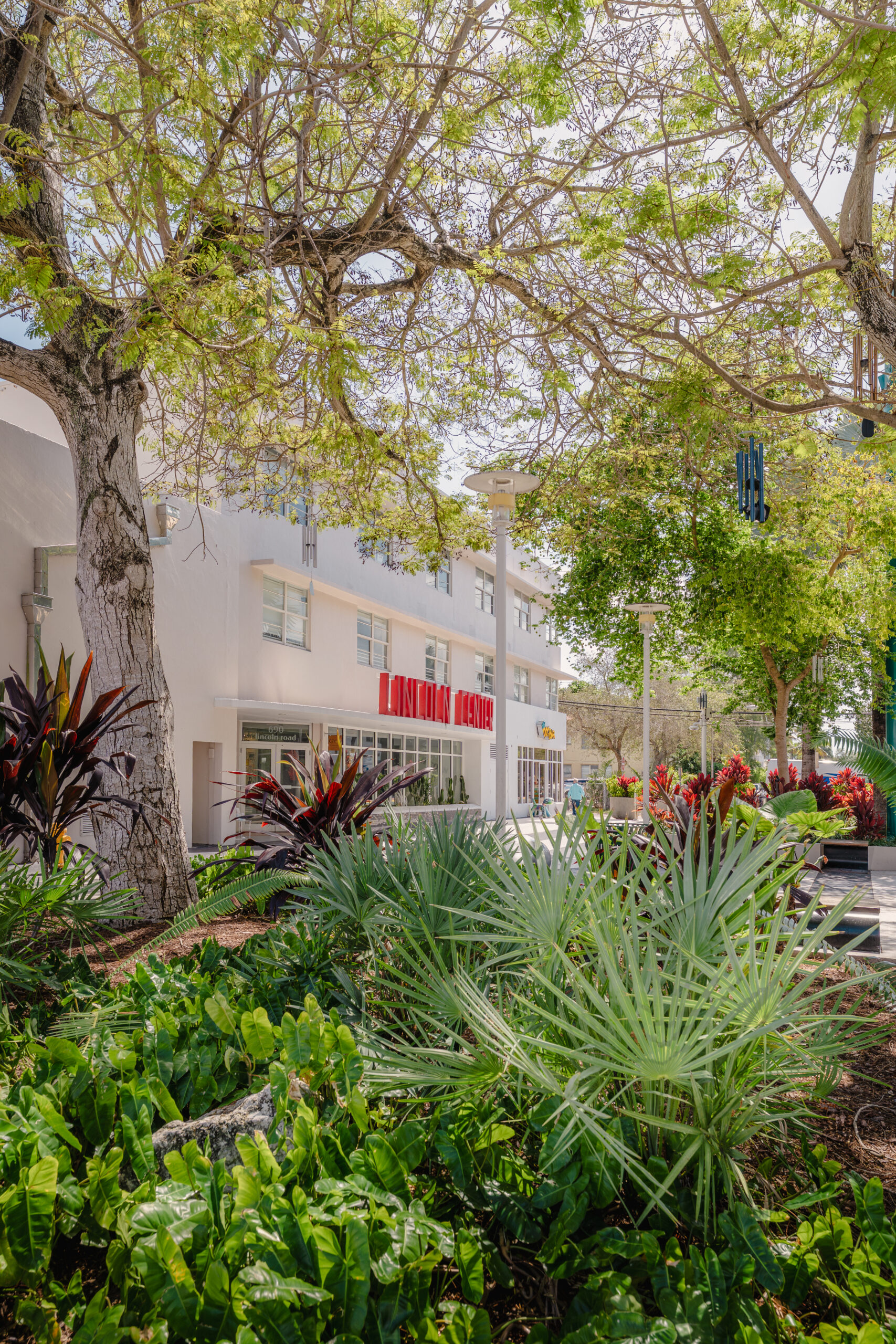
ChenMoore provided civil engineering and landscape architecture services for the pedestrianization of Euclid Avenue between Lincoln Road and Lincoln Lane in the City of Miami Beach. This segment is being integrated into the iconic Lincoln Road Mall, one of Miami Beach’s most recognized public destinations and a historic pedestrian corridor known for its mix of retail, dining, entertainment, and outdoor public life. Located in the heart of South Beach, the area serves as a major gathering space for residents and visitors and plays an important role in the city’s urban identity, walkability, and economic activity.
ChenMoore provided civil engineering and landscape architecture services for the pedestrianizing of Euclid Avenue between Lincoln Road and Lincoln Lane in the City of Miami Beach. This stretch of road will be incorporated into the historic pedestrian street known as Lincoln Road Mall.
The project was funded by the City of Miami Beach through a developer’s agreement with Lincoln Center Associates which owns the retail building at the intersection of Euclid Avenue with Lincoln Road.
The project required coordination with various agencies including the City of Miami Beach Planning Department, Public Works, Greenspace management, and Capital Improvements, as well as Miami-Dade County Environmental Protection, Traffic, and Utilities. The scope of work included providing site design and permitting including layout, hardscape, landscaping, lighting, drainage, and utilities.