

July 22, 2026


Earth Day is often associated with conservation, climate change, and protecting distant natural landscapes. But in 2026 especially in South Florida one of the most important environmental conversations is happening much closer to home: in our cities, and specifically, in our urban parks. Since COVID, Florida has become the nation’s top destination for net migration, adding roughly 1.8 to more than 2 million new residents. Increasingly, that growth is urban. South Florida alone has added an estimated 65,000 to 75,000 new condominium and multifamily units, concentrated in downtown and transit-oriented areas. This rapid urbanization has fundamentally redefined the role of public space, in places like South Florida which has historically been predominantly a suburban environment.
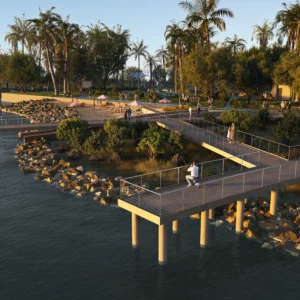
Urban parks are no longer optional amenities. They are essential environmental infrastructure supporting public health, driving ecological performance, fueling economic vitality, and underpinning the long-term competitiveness of cities. In dense urban environments, parks are often the most immediate and accessible form of nature people experience daily. When designed at a high level, they function as active environmental systems reducing urban heat, managing stormwater, improving air quality, and restoring ecological function. In a region facing rising temperatures, sea level rise, and intensifying storms, high-performance parks are also critical tools for resilience.
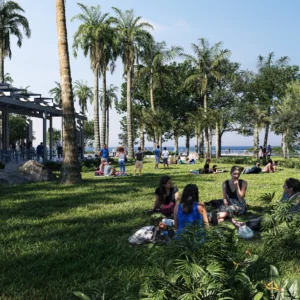
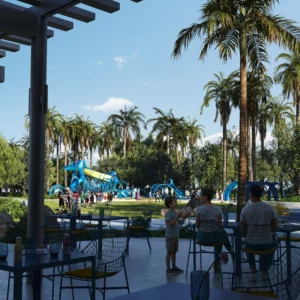
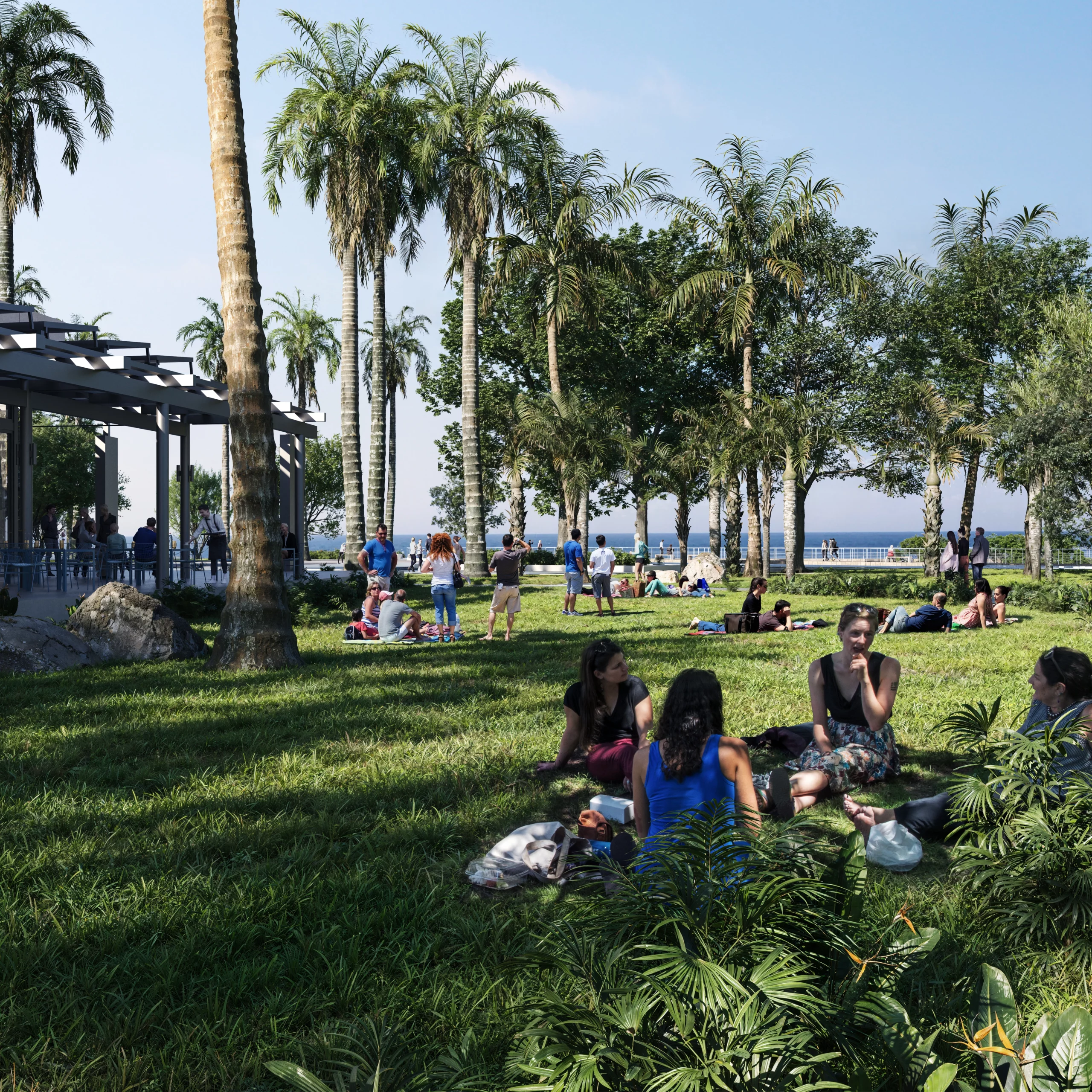
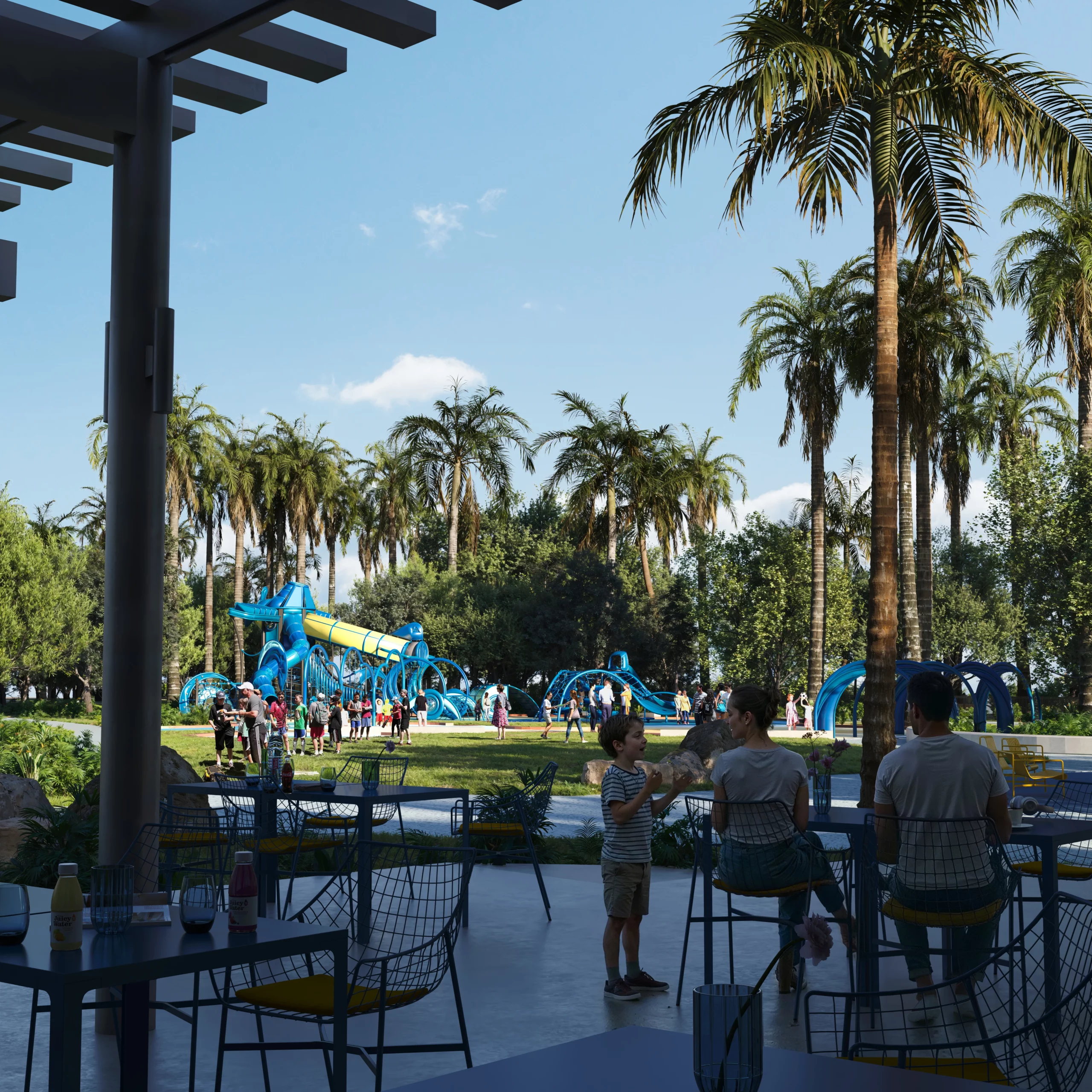
Equally important if not more so today is their impact on human health. As daily life becomes increasingly screen based and digitally mediated, the need for real, physical, shared environments has never been greater. Research consistently shows that time spent in parks reduces stress, improves mental health, encourages physical activity, and increases overall happiness. At their best, these parks are also fun! They are joyful places that connect people to each other and to nature, significantly enhancing quality of life. They also serve as shared civic spaces where people of all backgrounds come together strengthening social connection and reinforcing a sense of community in an increasingly fragmented world. Some studies even suggest that visiting a great park can generate levels of happiness comparable to major life events like Christmas morning.
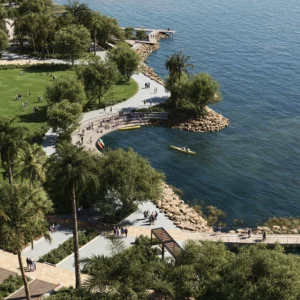
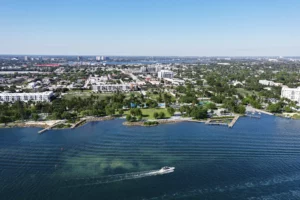
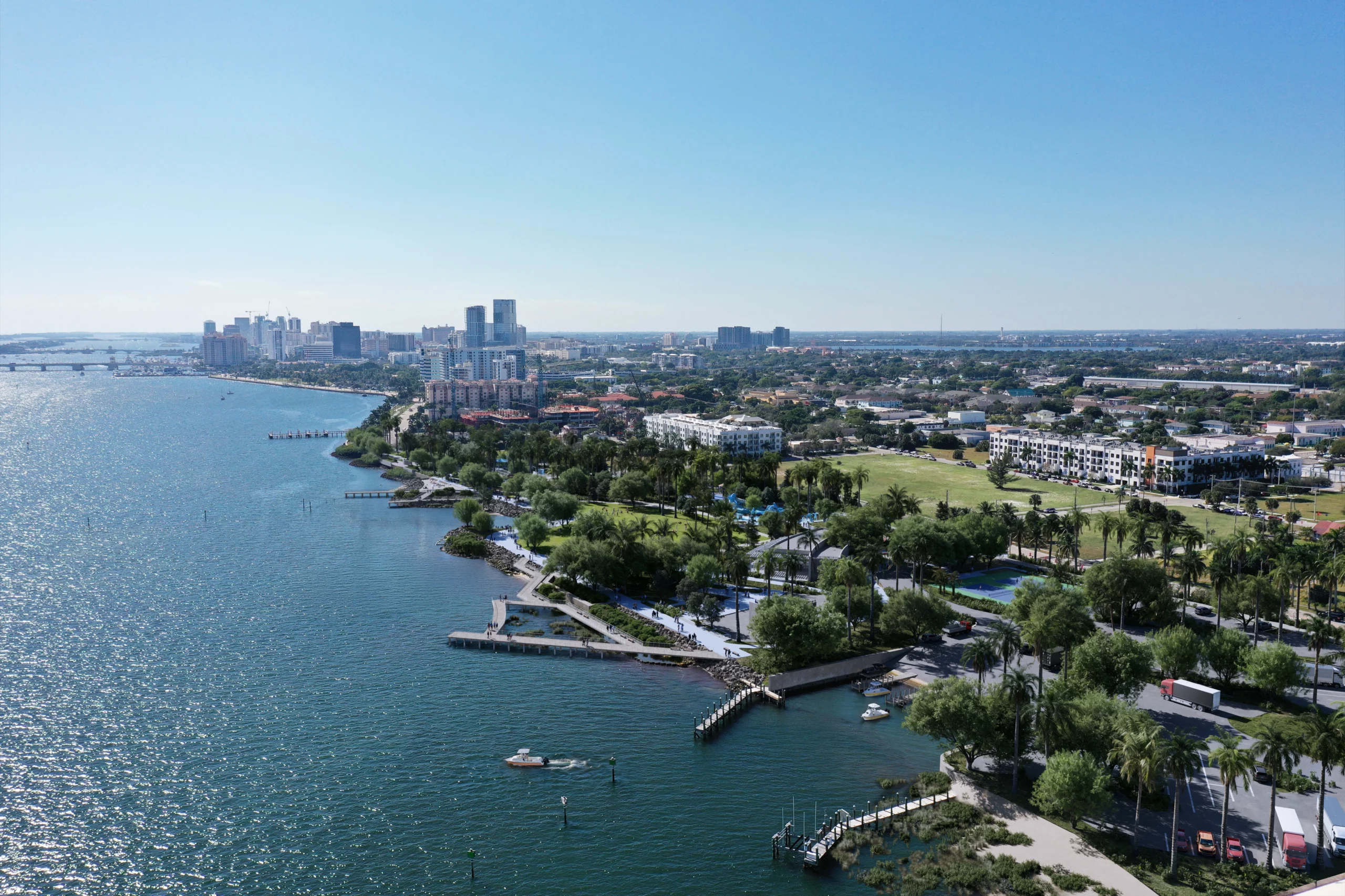
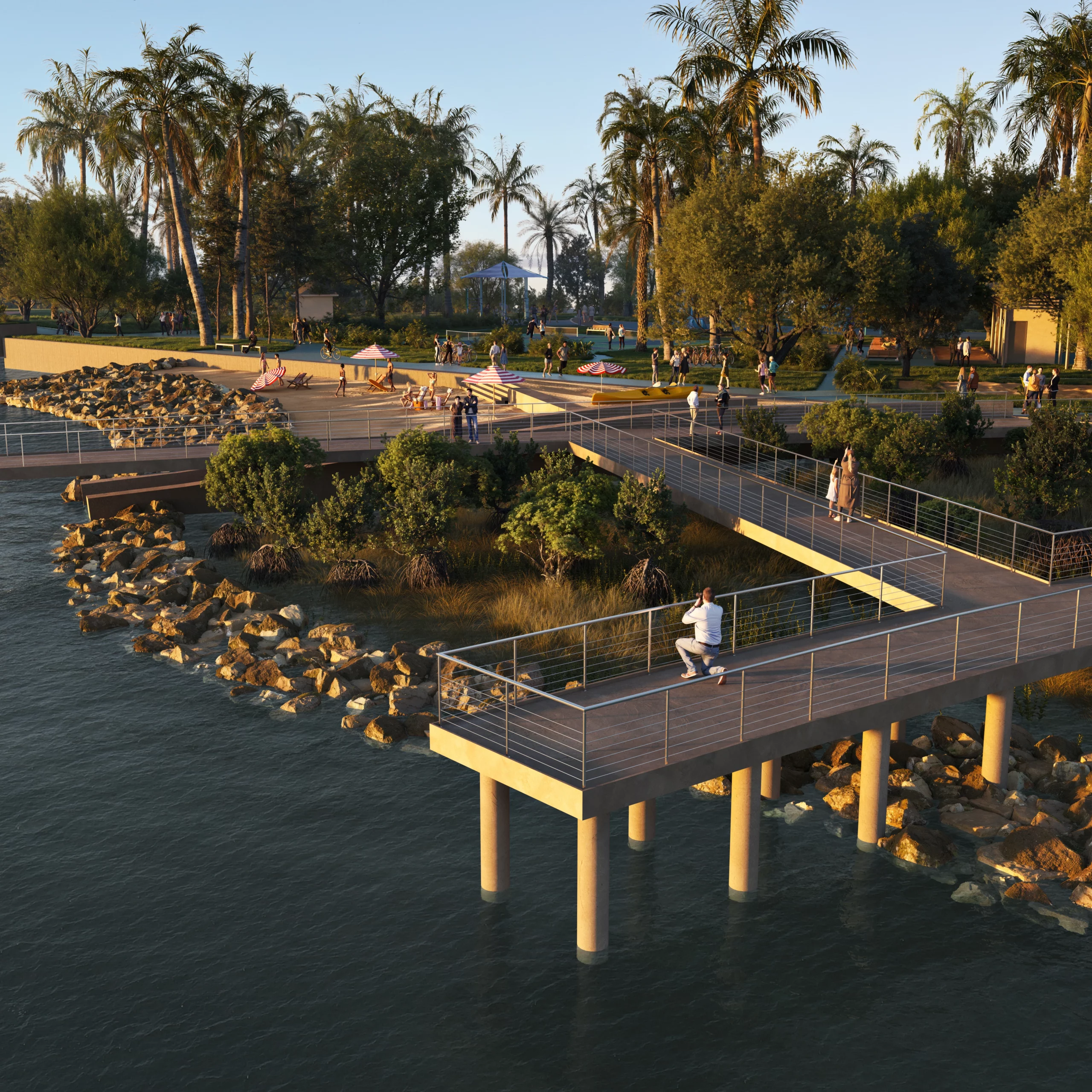
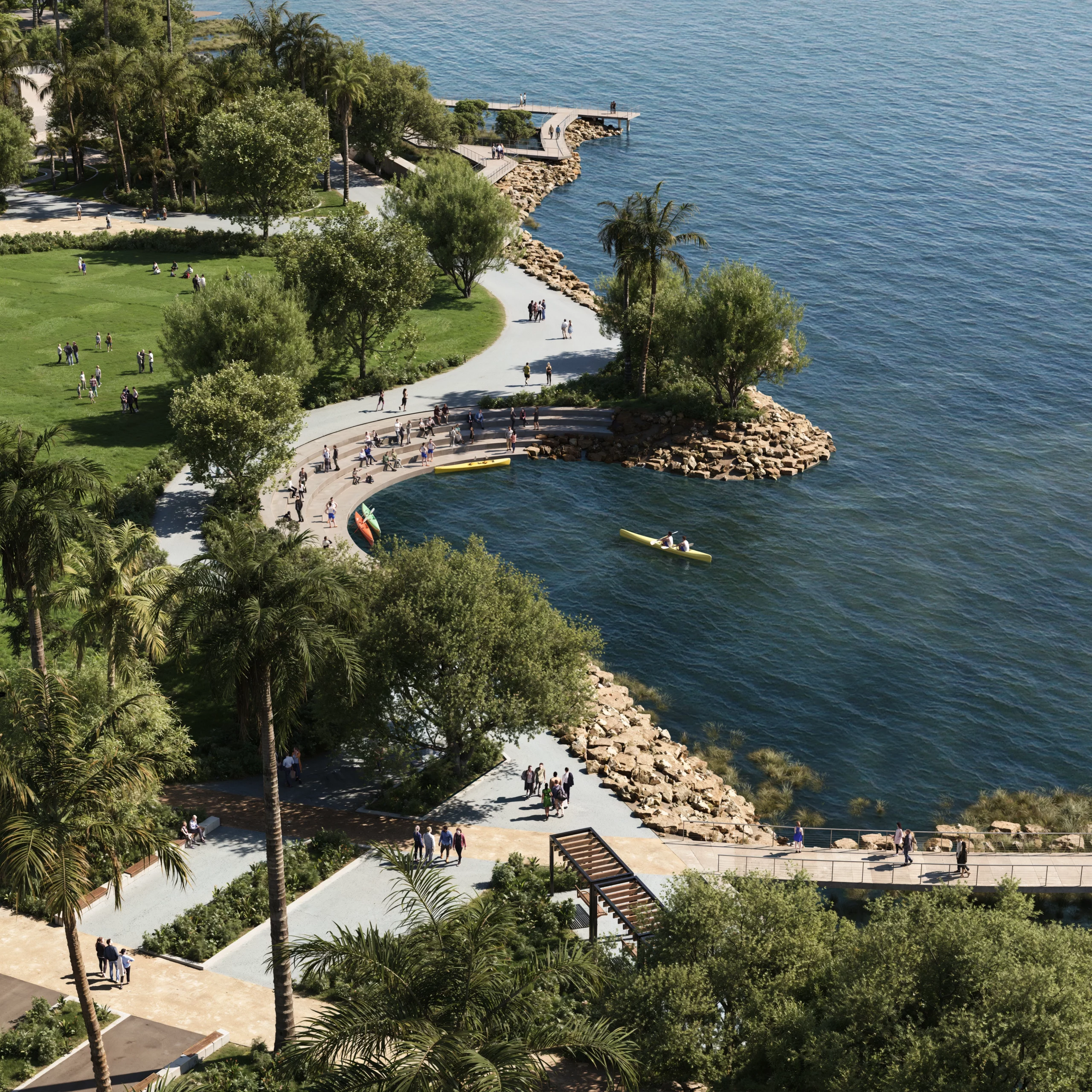
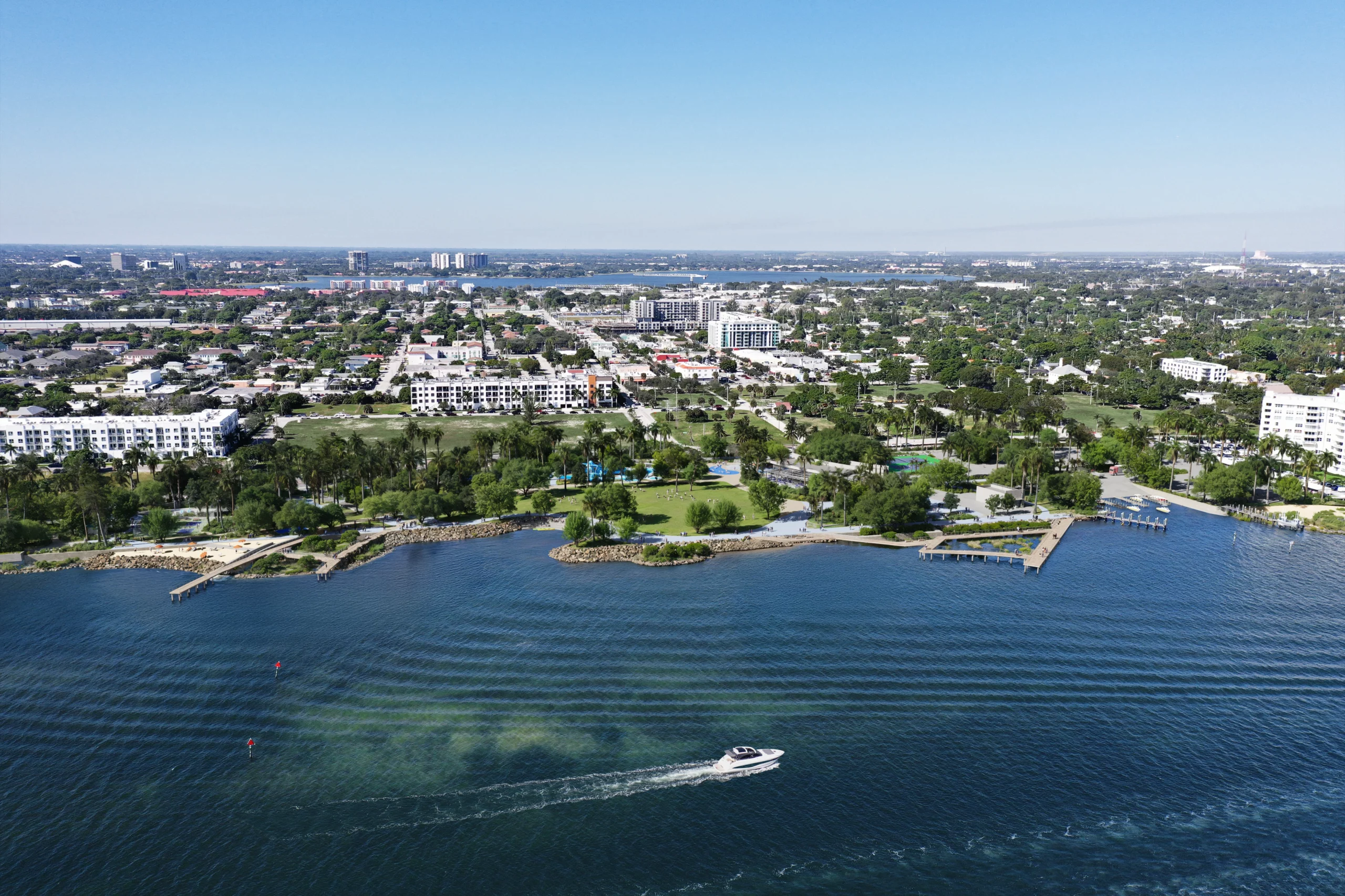
Their economic impact is equally significant. Well-designed parks attract residents, support workforce retention, and catalyze private investment. Jacksonville Riverfront Plaza in Jacksonville ($68 million), Huizenga Park in Fort Lauderdale ($15 million), and Currie Park in West Palm Beach ($35 million) are all high-profile reinvestments in existing public spaces that had become underperforming. These are not new parks, but reimagined one’s spaces that lacked the design, programming, and performance required of today’s urban environments. While substantial, these investments remain modest compared to the cost of a single downtown tower, yet they deliver outsized returns in livability, public health, and long-term economic performance.
Through my experience on recently completed projects such as Jacksonville River Landing and Huizenga Park (while Landscape Design Principal at Perkins&Will), along with experience with nationally recognized projects like Brooklyn Bridge Park in New York I’ve seen firsthand the transformational impact that high-quality urban parks can have. These projects reinforce a clear lesson: great parks are not incidental they are intentional, and their value and extends far beyond aesthetics. That perspective also shaped a major professional decision. After years working within boutique, design focused landscape architecture practices where the emphasis was often on craft and form I came to recognize that delivering truly high-performance urban parks at scale requires something more. It requires deep integration across disciplines from the very beginning.
This realization ultimately led me to join Chenmoore. The firm’s multidisciplinary structure bringing together engineering, planning, landscape architecture, and environmental expertise provides the breadth, capability, and collaborative framework necessary to deliver parks that are not only beautifully designed, but also technically rigorous, resilient, and performative in the ways today’s cities demand. This moment demands a higher standard. It is no longer enough to simply provide open space. Parks must be designed to perform. That requires a collaborative, multidisciplinary approach integrating landscape architecture, engineering, planning, and environmental science from the outset to create spaces that are resilient, adaptable, and deeply responsive to both ecological systems and human needs.
Originally published in the South Florida Business Journal on April 14, 2026.